
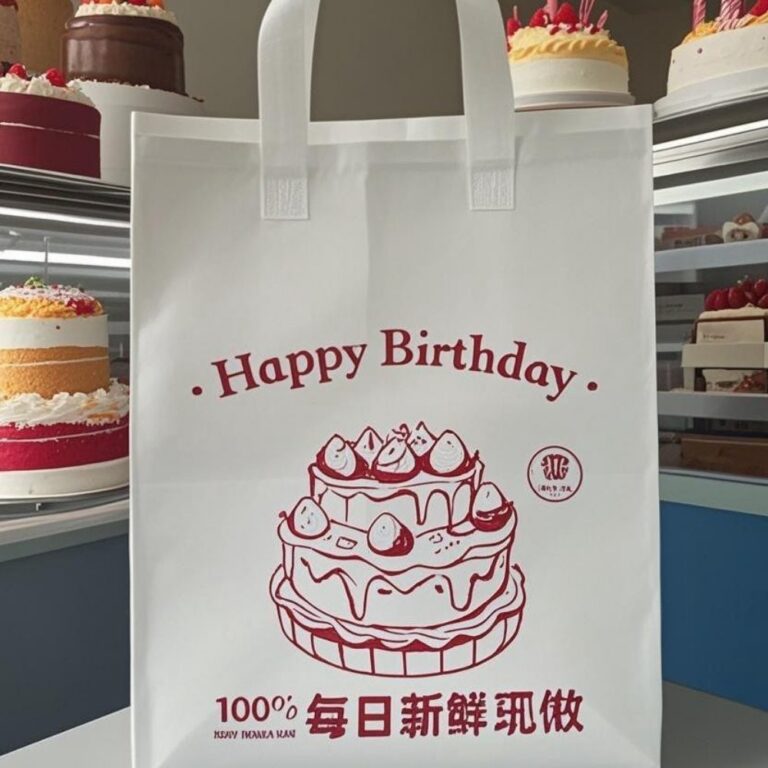
Takeout Bag RFQs: Confirm the Closure Supply
Ask the supplier to identify the closure components of the selected takeout bag and state their condition at delivery. Confirm whether any adhesive strip and release liner are fitted, how the flap is supplied, and what the buyer is expected to do before closing a bag. Approve an identified open sample alongside the quotation. A catalogue label such as self-adhesive does not, by itself, define that supply list or establish a sealing-performance claim.
Keep the product reference separate from a performance promise
Shancheng’s catalogue includes a takeout-bag reference described with self-adhesive and insulated terms. Those words help identify the offered product family, but they do not establish a measured closure result or a temperature-retention period. Start with the exact product link and ask for a model-specific supply description. Review any intended food-contact, thermal or other use requirement separately instead of treating the catalogue title as its evidence.
The closure inquiry should identify the bag version, the flap and every component associated with closing it. If a photograph shows only a closed bag, request an open view of the same proposed item. A closed view may conceal a liner, a folded edge or a separate component. Do not build the component list by borrowing visible details from another product that happens to look similar.
Describe what arrives, not only how the bag looks when closed
Supplied condition matters to the receiving team. Ask whether the bag is delivered open, flattened or in another stated arrangement, and whether the closure has already been assembled. If an adhesive area is covered, ask the supplier to identify the covering component and how it appears on the delivered bag. These questions clarify the proposed article without instructing an unverified closing process or promising a particular result.
Record any separately packed closure component on the same inquiry. Identify how it is counted and matched to the correct bag. A quotation for an assembled closure and a quotation for loose components should not be treated as equivalent until the buyer understands the remaining work. Where a component is absent from the offer, ask the supplier to state the exclusion explicitly rather than allowing a photograph to imply inclusion.
Compare closure scope with a simple supply matrix
The matrix deliberately leaves technical values open. It does not prescribe adhesive chemistry, dimensions, storage conditions or a performance threshold. If those matter to the buyer’s intended use, request a specific supplier proposal and supporting information. Approve the resulting requirement separately from the basic question of which components the quotation includes.
Item to clarify | Supplier response requested | Receiving reference
Closing flap | Identity and delivered position | Open sample view
Adhesive area, if offered | Fitted or separately supplied condition | Marked component photograph
Release liner, if applicable | Presence and supplied state | Identified sample detail
Additional closing component | Included, optional or excluded | Quotation line and packing list
Delivered bag arrangement | Actual proposed packing condition | Sample and carton description
Request an open sample and a closed reference together
An open sample helps the buyer identify the components. A closed reference can show the supplier’s intended final arrangement. Ask the supplier to link both to the same model and version. If a demonstration is provided, confirm which item it uses. A demonstration involving another bag or an unspecified sample should not silently become evidence for the proposed order.
During sample review, photograph the closure area before making observations that change its supplied state. Keep a record of what arrived and identify any component that was loose, already fitted or absent. This distinguishes receiving observations from later sample handling. If your business needs a defined closure assessment, agree the method and acceptance basis with the relevant parties instead of improvising a claim from one informal demonstration.
Separate handling information from procurement assumptions
Ask the supplier for the handling and storage information applicable to the finished item being offered. Do not assume that instructions for another bag, adhesive or lining apply. If the supplier’s documentation uses a general product-family description, ask how it connects to the selected model. Unanswered questions should remain visible in the purchasing record rather than being converted into instructions by the buyer’s copywriter.
The same boundary applies to intended contents. The fact that a catalogue mentions takeaway foods does not independently confirm suitability for every food, container, temperature or distribution route. Describe the actual intended use in the inquiry and request applicable supplier information. Avoid putting unverified safety, food-contact or temperature claims on downstream packaging merely because the product photograph appears familiar.
Make the final quotation and reorder refer to the same closure
Before placing an order, ask the supplier to identify the sample and supply matrix covered by the quotation. Confirm whether the closure arrangement in production is intended to match the approved reference. Any proposed substitute component should be identified as a change for review. The buyer can then discuss its implications without confusing a revised component with a clerical update.
For a reorder, resend the accepted closure scope and ask the supplier to identify any difference in the proposed supply condition. A previous photograph of a closed bag is not a complete component record. Retaining the open reference, component matrix and declared exclusions gives the next receiving team a practical basis for checking what was ordered while keeping unverified performance questions separate.
• List fitted, separate and excluded closure components.
• Request the open sample condition and the intended closed reference.
• Keep handling information and performance requirements separate.
Frequently asked questions
Does self-adhesive confirm a particular sealing performance?
No. It is a catalogue description. Request the actual closure construction and any evidence required for the intended use. Keep supply-list approval separate from performance acceptance.
Why ask for an open sample?
It makes the fitted and separate components visible and lets the buyer record the delivered condition. A closed photograph may hide details that affect what the quotation includes.
Can a bag’s catalogue description establish food or thermal suitability?
It cannot independently establish suitability for a specific application. Give the supplier the intended use and request the applicable product information before adopting any corresponding claim.
Product and contact references
Selected product reference: https://shanchengbag.com/product/custom-insulated-takeout-bag-non-woven-with-aluminium-foil-self-adhesive-for-cake-milk-tea-bbq-and-delivery/
Contact the supplier: https://shanchengbag.com/contact/
Shancheng blog: https://shanchengbag.com/blog/