
Canvas Tote Artwork: Define Each Print Face
Define tote artwork by naming each physical print face and linking it to a specific artwork file. State whether the reverse, gusset and other visible areas are printed or left unprinted. Ask the supplier to return a placement proof for the selected bag and distinguish that proof from a physical print sample. This gives quotations a shared scope without assuming that a front-view catalogue image includes printing on every side.
Turn the catalogue reference into an unambiguous bag identity
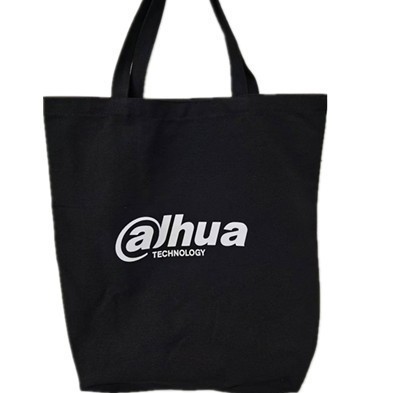
Shancheng lists a custom printed canvas tote reference. Its catalogue name is useful for starting an inquiry, but the buyer still needs a confirmed model and material declaration. A product name does not independently verify fibre composition, fabric construction or an environmental claim. Keep the article’s artwork discussion focused on print faces, and ask the supplier to declare those separate product facts for the particular item being quoted. Treat the visible catalogue logo as example artwork, not as a graphic automatically included for the buyer to reuse.
Identify the bag orientation before naming artwork files. Use a photograph or drawing that labels the front and reverse and shows the top opening. If the design has a base or side panel, identify those panels individually. Front and back can become ambiguous when the same product is photographed from another angle, especially if a sample has an asymmetric handle attachment or a visible seam.
Create a print-face schedule before comparing prices
A print-face schedule pairs a named panel with its intended artwork. Give each file a revision identifier and specify whether the same design repeats on another face. If a panel is unprinted, state that explicitly. This avoids the common situation in which one supplier quotes a front design only while another assumes a repeated design on both sides. Neither assumption should silently determine the comparison.
Separate an artwork file from a positioning instruction. The design file may contain the correct logo but still leave the intended orientation and relationship to the opening unresolved. Ask for a placement proof on the selected model. Do not estimate a usable print area from a catalogue photograph or treat the edge of the visible image as the edge of an available printing zone.
Make the difference between scope and proof clear
A supplier may combine these documents, but the decisions remain distinct. If an electronic proof is accepted for placement, record that limited acceptance. Avoid writing approved sample when no physical printed item has been examined. Likewise, approving a physical front print should not silently approve an unreviewed reverse design or a different bag version.
Document | Buyer decision | Limit
Face schedule | Which panels receive which files | Does not prove print appearance
Placement proof | Position and orientation on the chosen bag | Does not prove physical colour or surface result
Physical print sample | Observed appearance on the proposed item | Applies only to the identified sample and method
Final order attachment | Approved files and face scope | Needs revision control when anything changes
Ask how seams and handles affect the proposed placement
The selected bag’s physical features give the artwork a context. Ask the supplier to show the intended relationship between the design and seams, handles, folds or other relevant features. This is a request for a model-specific proposal, not a prediction about which printing method will work. If the supplier identifies a limitation, have it marked on the proof so that purchasing and design teams can evaluate the same boundary.
Keep the print method and any required result as separate confirmation items. Do not infer a method from the appearance of the catalogue photograph. A design can be presented in a mock-up without establishing how it will be produced. Ask the supplier to identify the proposed method and the sample basis, and review whether the offered result addresses the buyer’s stated artwork requirements.
Review a sample with the face schedule beside it
At sample review, work through the named panels rather than stopping at the first satisfactory front view. Confirm the identity of each printed design and the status of each intentionally unprinted panel. Photograph both sides with the same orientation used in the schedule. If a proof shows a design upright relative to the opening, check that relationship on the sample rather than relying on the way the sample happens to be lying on a table.
Keep colour comments specific to an agreed reference and viewing basis. A screen image is useful for identifying a design but should not be treated as an independent physical colour standard. Where colour consistency matters, ask the supplier how the reference and sample will be agreed. This inquiry should not promise a tolerance or result that has not been proposed, reviewed and accepted for the actual bag.
Close the quotation scope without hidden additions
Request a quotation that names the selected bag, the printed faces, the artwork revisions and the sample basis. Ask the supplier to identify what would change if another panel were added. A different face count or a revised design should be visible as a scope change, not buried in a general custom-print description. This helps the buyer compare offers that cover the same requested work.
For repeat orders, send the last accepted face schedule and ask whether the proposed model and artwork arrangement remain unchanged. An old logo file alone is not a complete repeat-order reference. If a new reverse design is requested, retain the existing front approval and review the new face separately. The aim is a small, clear record of what is being supplied, not an accumulation of loosely related pictures.
• List every printed and intentionally unprinted face.
• Link each printed face to a named artwork revision.
• Record placement and physical print approvals separately.
Frequently asked questions
Does one catalogue print image mean both sides are printed?
No. It identifies the visible reference only. State the intended condition of each face in the inquiry and ask the supplier to confirm that the quotation covers that exact schedule.
Is a digital placement proof a physical print sample?
No. A digital proof can establish intended position and orientation. A physical sample provides an observable result on an identified item. Record which decision each approval actually covers.
Can the product name confirm the tote’s material?
Use it as a catalogue identifier and request a model-specific declaration. Do not turn a marketing description into an independently verified composition or environmental claim.
Product and contact references
Selected product reference: https://shanchengbag.com/product/custom-printed-canvas-tote-bag-eco-friendly-cotton-shopping-bag/
Contact the supplier: https://shanchengbag.com/contact/
Shancheng blog: https://shanchengbag.com/blog/